First Click It or Ticket enforcement period of 2026 begins Monday

The Colorado Department of Transportation will support the Colorado State Patrol and 26 local law enforcement agencies for the first seat belt enforcement period of 2026, running from April 6 through April 12.
During the enforcement period, drivers can expect increased law enforcement patrols on Colorado roads. Officers will issue citations to unbuckled drivers as part of the state’s ongoing effort to reduce roadway fatalities. Drivers with unbuckled passengers, including children, can also be ticketed.
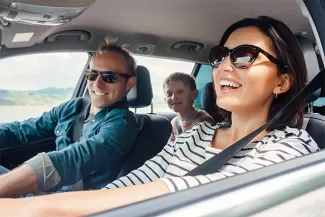
© iStock - Solovyova.
During the same enforcement period last year, 1,108 drivers received seat belt citations. More than 5,000 tickets were issued across all three Click It or Ticket enforcement periods in 2025. According to recent research by CDOT, 90.7 percent of people in the state are buckling up, the highest rate ever recorded. That figure represents a 2.5 percent improvement from Colorado’s 2024 seat belt usage rate of 88.2 percent, but remains below the national average of 91.2 percent as reported by the National Highway Traffic Safety Administration.
“Seat belts are the most effective life-saving tool we have in a vehicle,” said Colonel Matthew C. Packard, chief of the Colorado State Patrol. “While over 90 percent of Coloradans already make the right choice to wear a seat belt, our goal is 100 percent. So far in 2026, 55 percent of the fatal crashes troopers have responded to have included a driver or passenger not wearing their seat belt. It’s up to all of us to insist everyone in the vehicle buckle up.”
Seatbelt enforcement has taken on added urgency in recent years. Colorado saw traffic fatalities rise 24 percent over a two-year period, with unrestrained occupants accounting for a significant share of those deaths.
Last year, Colorado’s seat belt law was expanded to raise the age for primary seat belt requirements from 16 to 18. The change makes it a primary offense for officers to pull over drivers if they observe an unrestrained minor in the vehicle. More information about the law updates is available on the Colorado Child Passenger Safety Law webpage at codot.gov.
Courtesy Colorado State Patrol
“Even though we’re seeing positive trends in seat belt and restraint usage for Colorado motorists, there’s still work to do,” said CDOT Executive Director Shoshana Lew. “The updates to the law have helped protect teenagers in cars, whether they’re driving or riding as passengers. While teenager fatalities without seat belts are falling, this age group still has the lowest use rate.”
In 2025, of the 48 teens who died in passenger vehicle crashes, 65 percent were unrestrained. Nationally, teens are among the highest risk for motor vehicle crashes and among the least likely to buckle up. To encourage more Colorado teens to buckle up, the Arapahoe County Sheriff’s Office and Sonic Drive-In are handing out free Sonic Slush coupons to buckled-up teen drivers and their passengers throughout the summer.
“Whether you’re a new driver or an experienced one, take the time to buckle up before hitting the road,” said Arapahoe Sheriff’s Office Deputy Dennis Dempsey. “We’re hoping to reward students we see buckling up and ultimately get all young drivers to wear their seat belts. Buckling up is a two-second decision to protect your life.”
Colorado law requires the driver and every front-seat passenger to wear a seat belt whenever the vehicle is in operation. For adults, the seat belt law is a secondary enforcement, meaning drivers can be ticketed only if they are stopped for another traffic violation. For drivers under 18 and their passengers, seat belt use is a primary enforcement under the Graduated Drivers Licensing law. Colorado’s Child Passenger Safety law is also a primary enforcement for children.